Quick Facts
| Name | Hudson |
|---|---|
| Manufacture Date | 1926 |
| Rebuild Date | 1946 |
| Railroad Of Record | Chesapeake & Ohio Railway (C&O) |
| Manufacturer | American Locomotive Company (ALCO) |
| Rolling Stock Type | Steam Locomotive |
Description
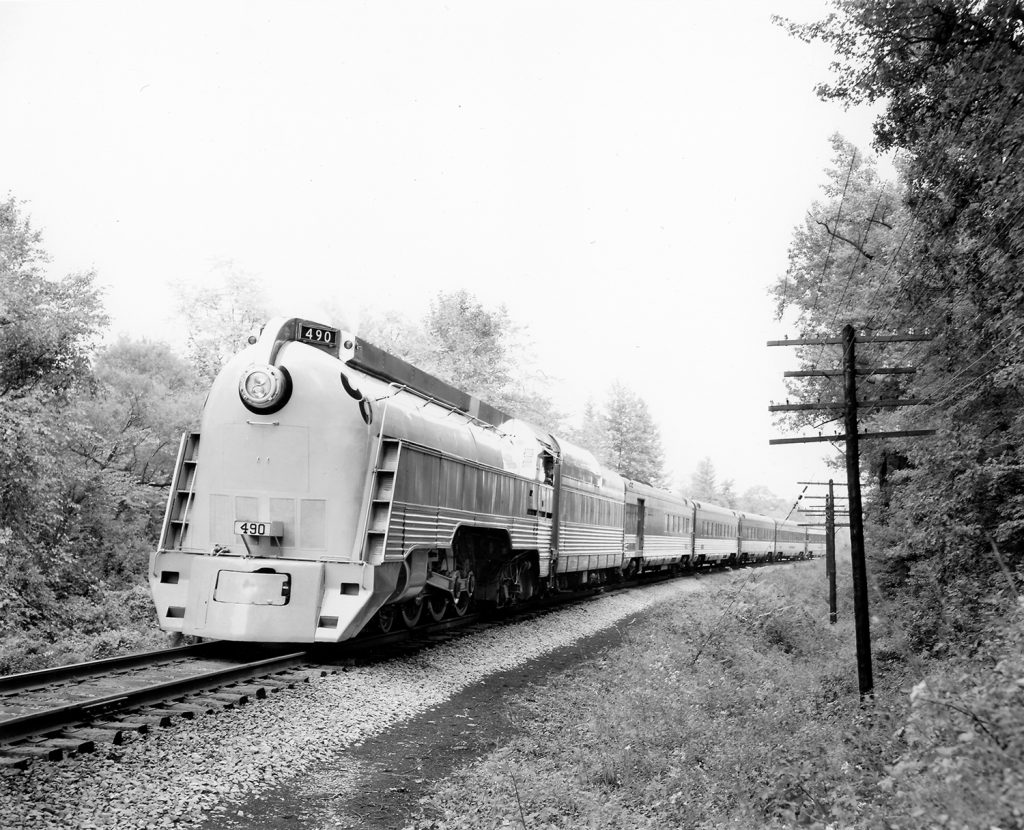
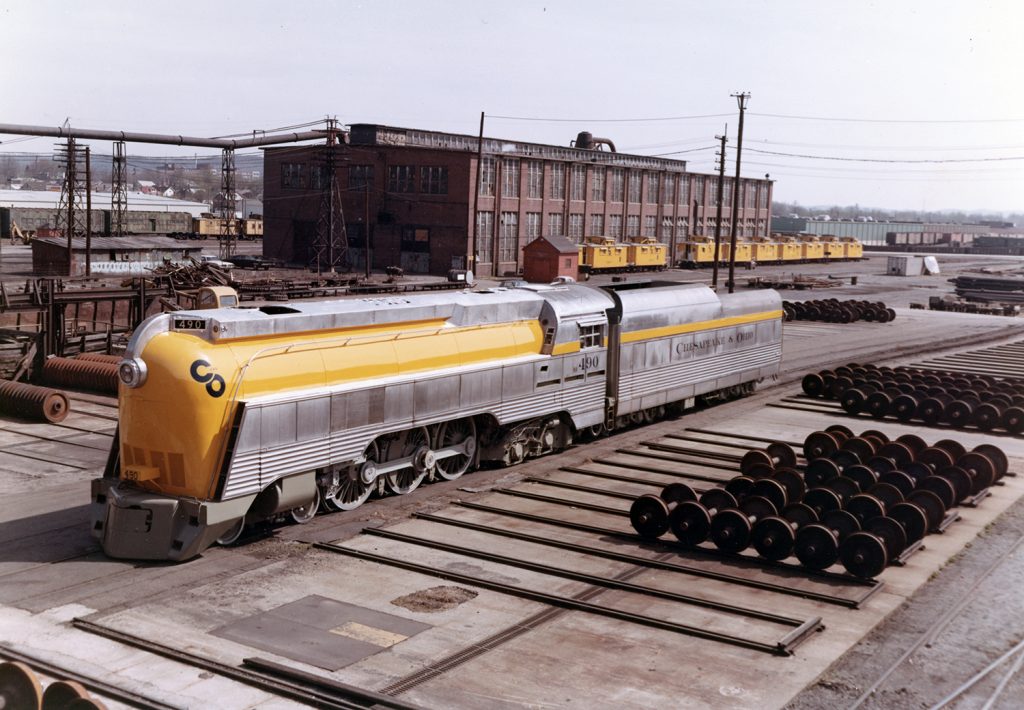
Built by the American Locomotive Company (ALCO) in 1926, the C&O No. 490 was one of five 4-6-2 “Pacific” type steam locomotives manufactured for the Chesapeake & Ohio Railway. Like its siblings, the No. 490 was used to pull mainline passenger trains. In 1930, it was assigned to the Sportsman, a passenger line with services to Detroit and Cincinnati. From 1932 to 1942, the engine traveled between Cincinnati and Washington, DC as part of the George Washington train. It was eventually removed from mainline service in 1942, when the C&O began using the heavier 4-8-4 engines produced by Baldwin Locomotive Works. For the next few years, the C&O “Pacific” fleet was assigned to secondary commuter lines. During World War II, they were used to pull military troop trains.
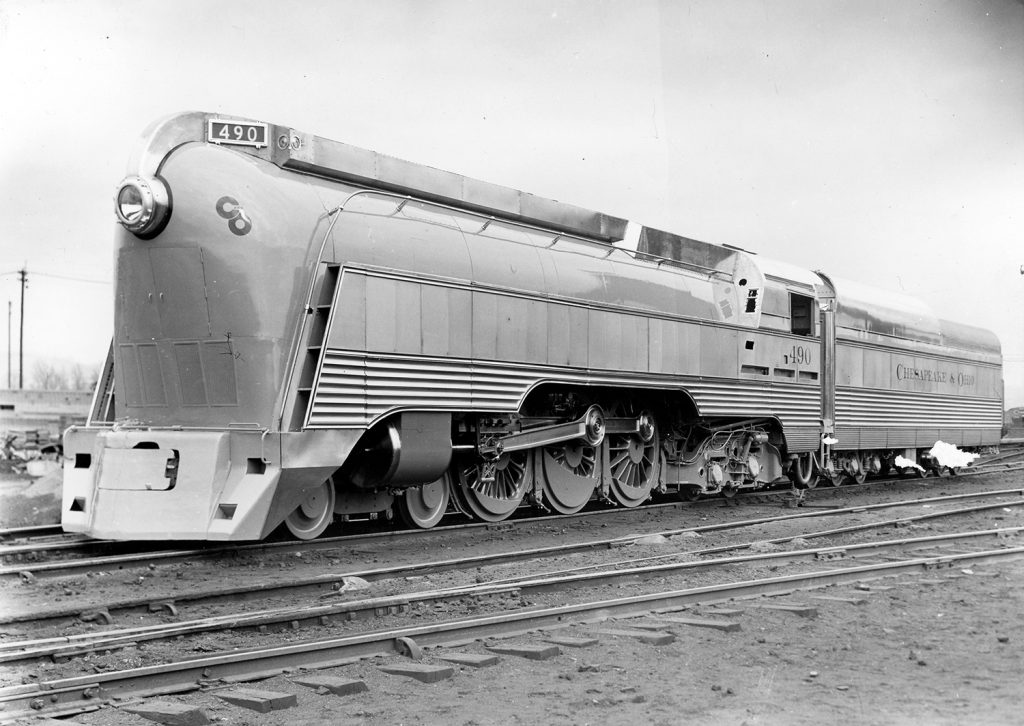
In the early-to-mid-20th century, railroads began purchasing diesel-electric locomotives to compete with the growing airline and automobile industries. The C&O would not immediately follow this trend, however, because it was a coal-hauling railroad, and diesel-electric technology posed a threat to the coal industry. The railroad would instead opt to improve its passenger steam locomotives. In 1946, the C&O’s five “Pacific” engines – including the No. 490 – were sent to the shops of Huntington, WV, where they were transformed into 4-6-4 “Hudson” type locomotives.
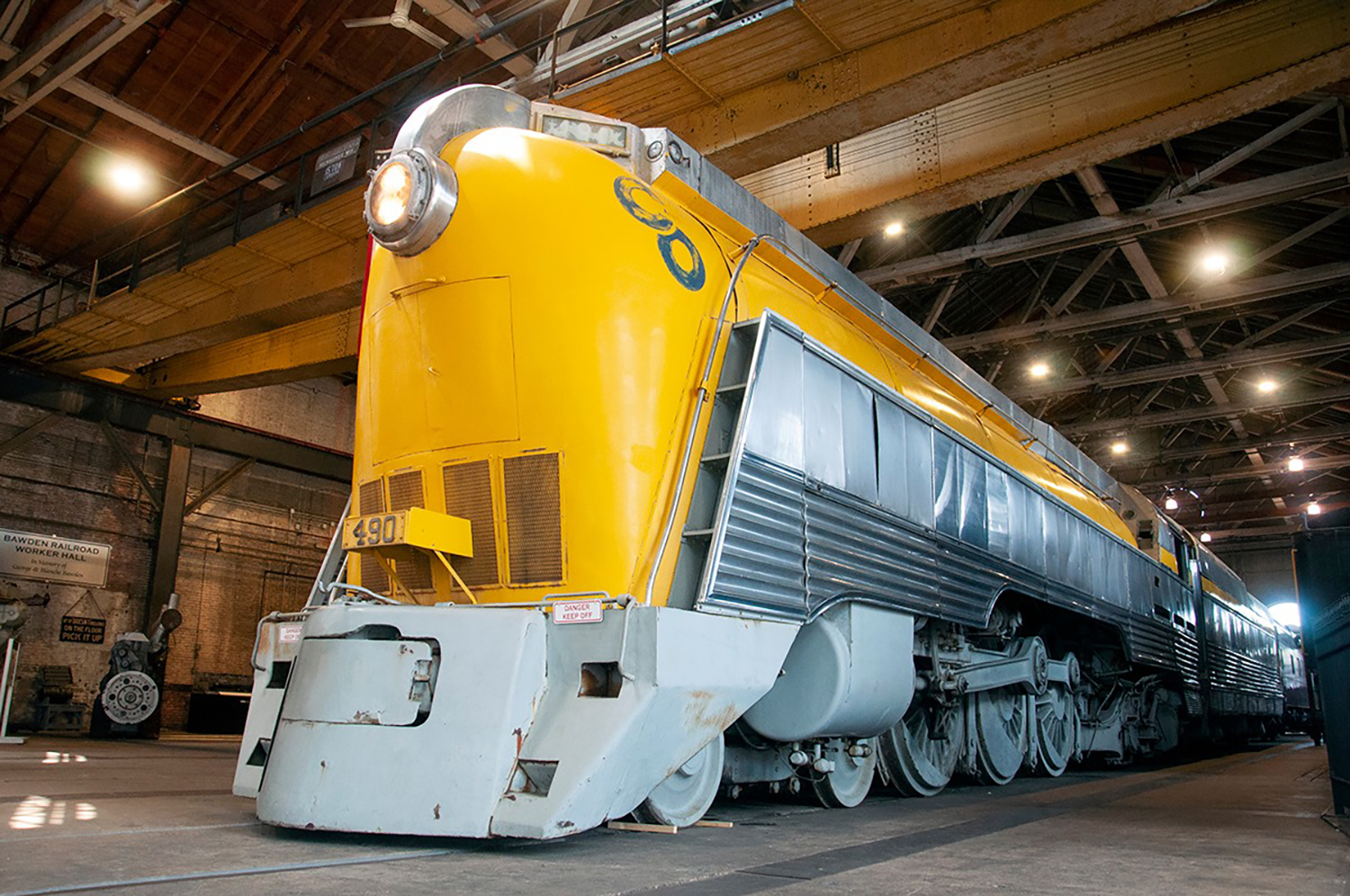
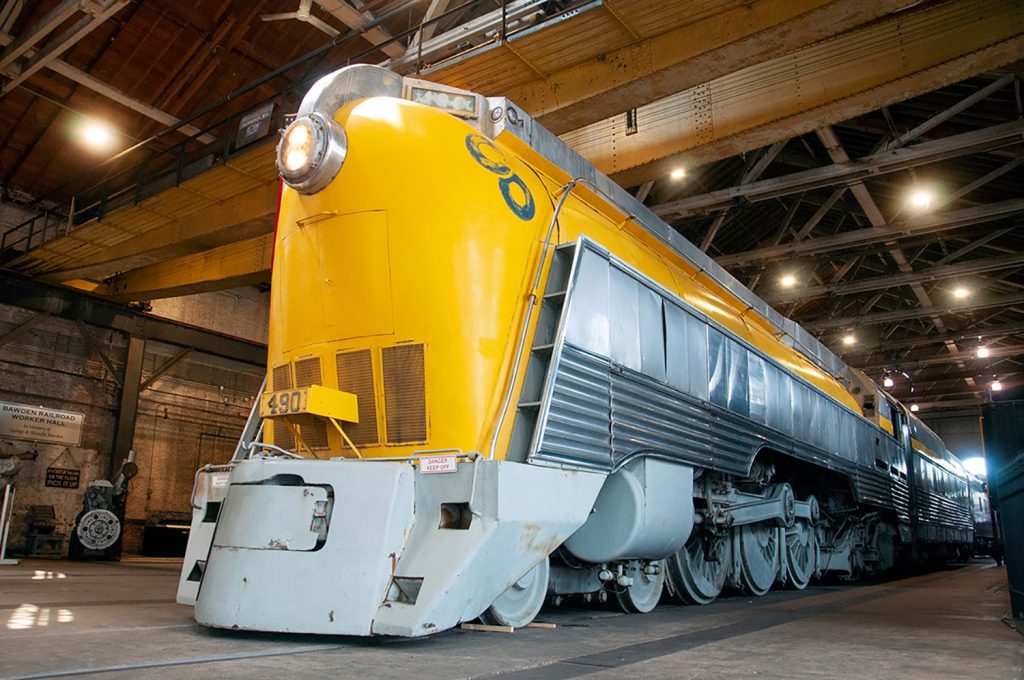
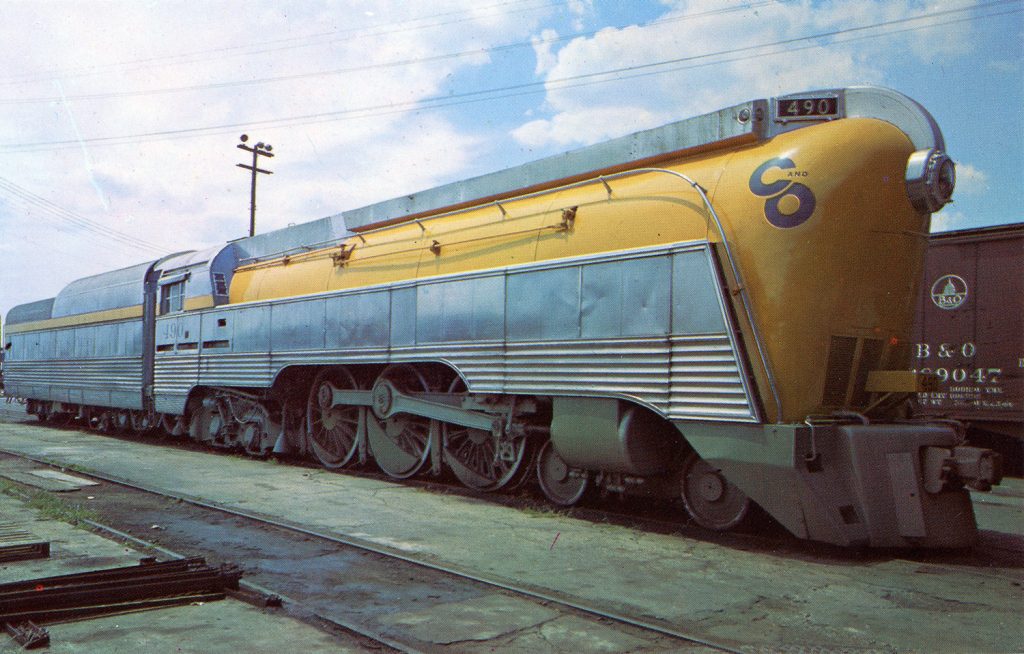
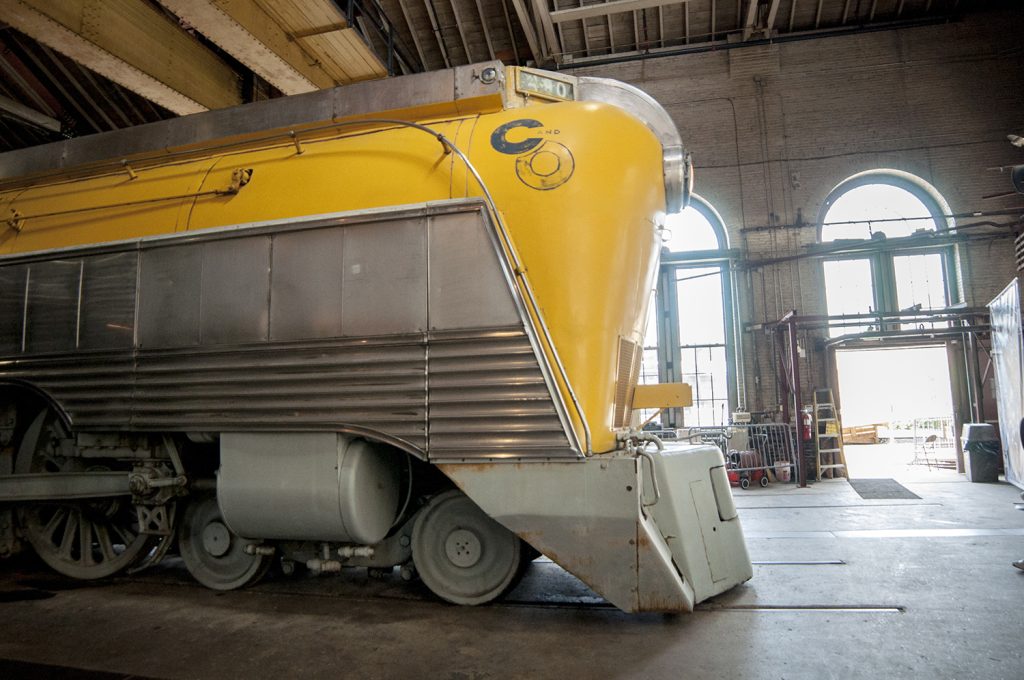
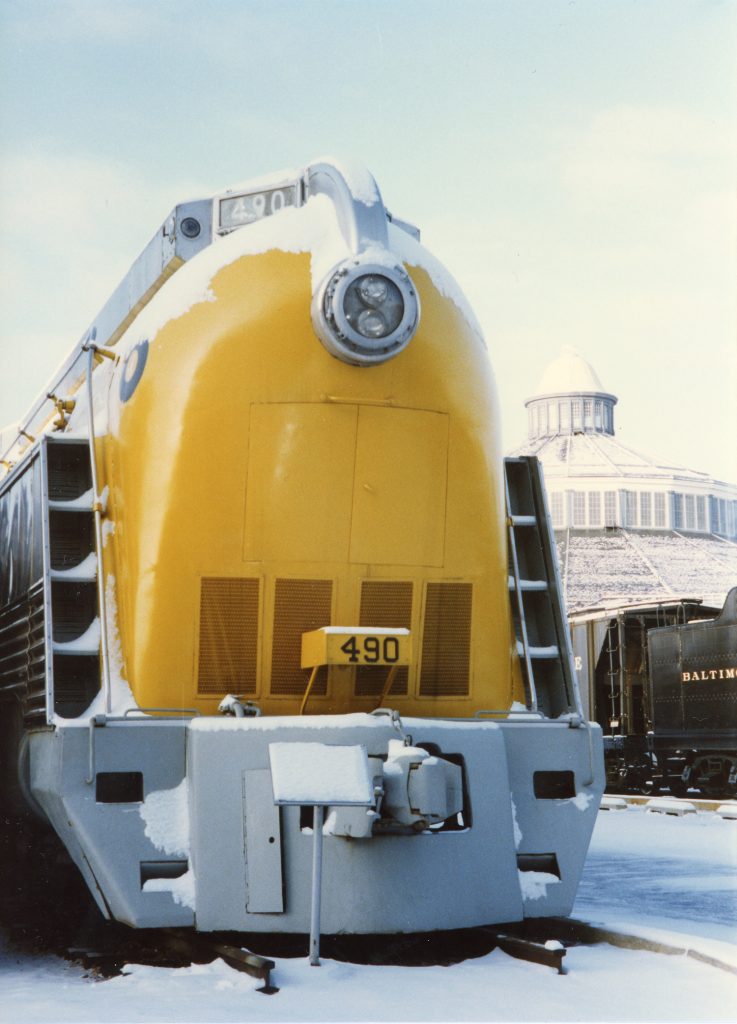
Each C&O “Hudson” was equipped with roller bearings, a front-end throttle, a high-speed booster, cross-counterbalanced driving wheels, a poppet valve gear for better steam distribution, and an expanded cab. Most notably, their boilers were shrouded with a modern streamlined “shell” that was painted “C&O Orange” (the color used by the company from 1889 until the 1920s). It was not until around 1948 that the locomotives received their iconic yellow paint scheme.
Nicknamed “Yellowbellies,” the new engines were supposed to serve the C&O Chessie, a proposed luxury passenger line connecting Washington, DC and Cincinnati. When it became clear that the railroad’s passenger trains could not compete with airplanes and automobiles, plans for the Chessie line were abandoned. As a result, the “Hudsons” were ultimately assigned to standard passenger trains. The No. 490 took a brief reprieve from passenger services in 1950, when it toured the eastern United States with the Caravan of Progress, a train displaying the newest C&O equipment.
Despite the C&O’s commitment to coal, the railway eventually purchased its first diesel-electric locomotives in 1951. Two years later, the outdated No. 490 was retired from passenger services and moved to Huntington, WV. In 1968, it was purchased by the B&O Railroad Museum and sent to the Huntington shops for a cosmetic restoration.
The “Hudson” has been on display at the B&O Railroad Museum since 1971. It is the only surviving L-1 class “Hudson” locomotive from the Huntington shops, and the only surviving engine with a Franklin poppet valve. It is also one of the last engines to ever pull a passenger train on the C&O, and one of only five streamlined passenger locomotives ever operated by that railroad.
Can't Get Enough?
There’s even more to explore. Check out this and other unique pieces from our collection.
Did You Know?
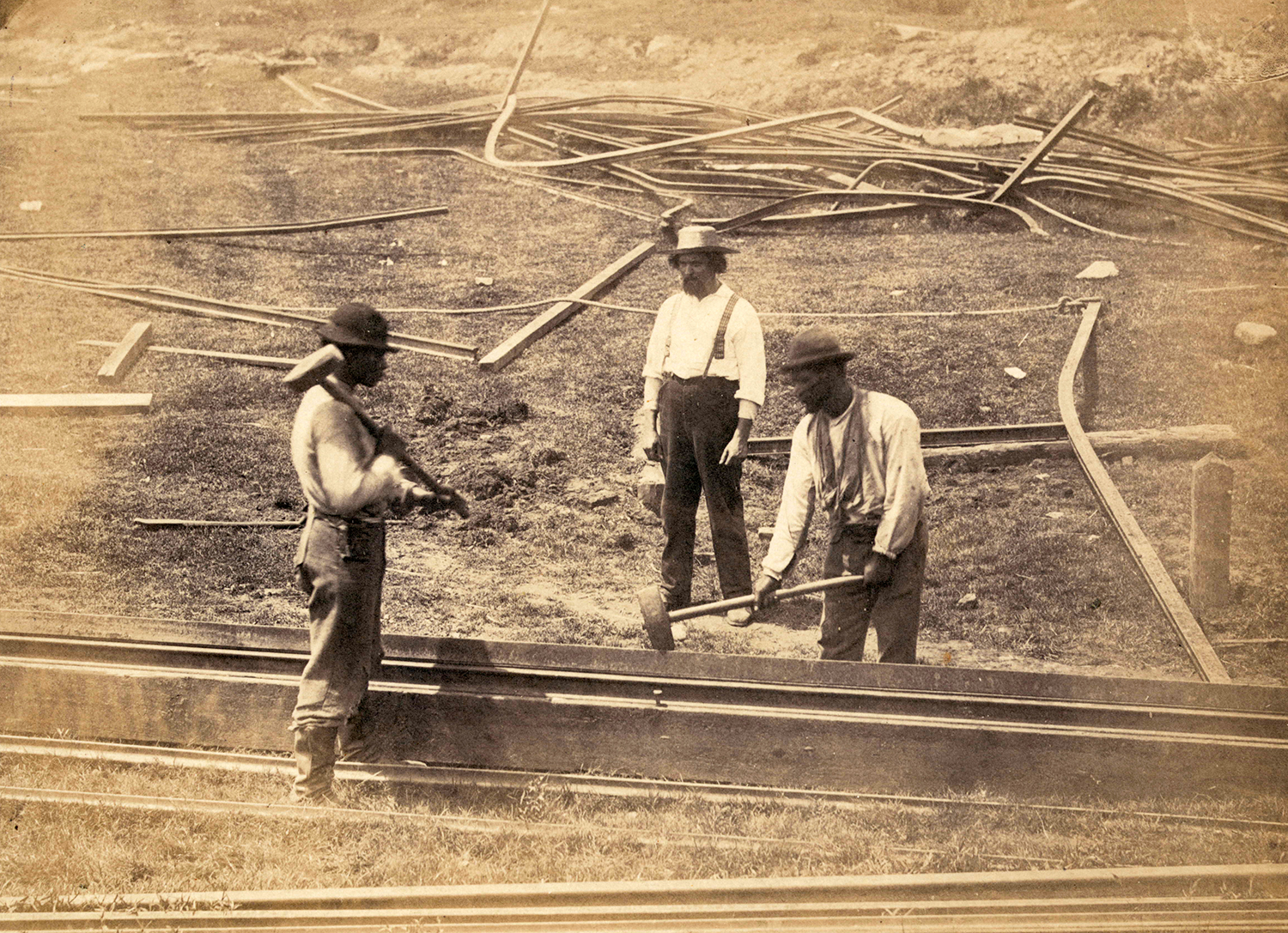
The United States Military Railroad was the first US government agency to hire African Americans.