
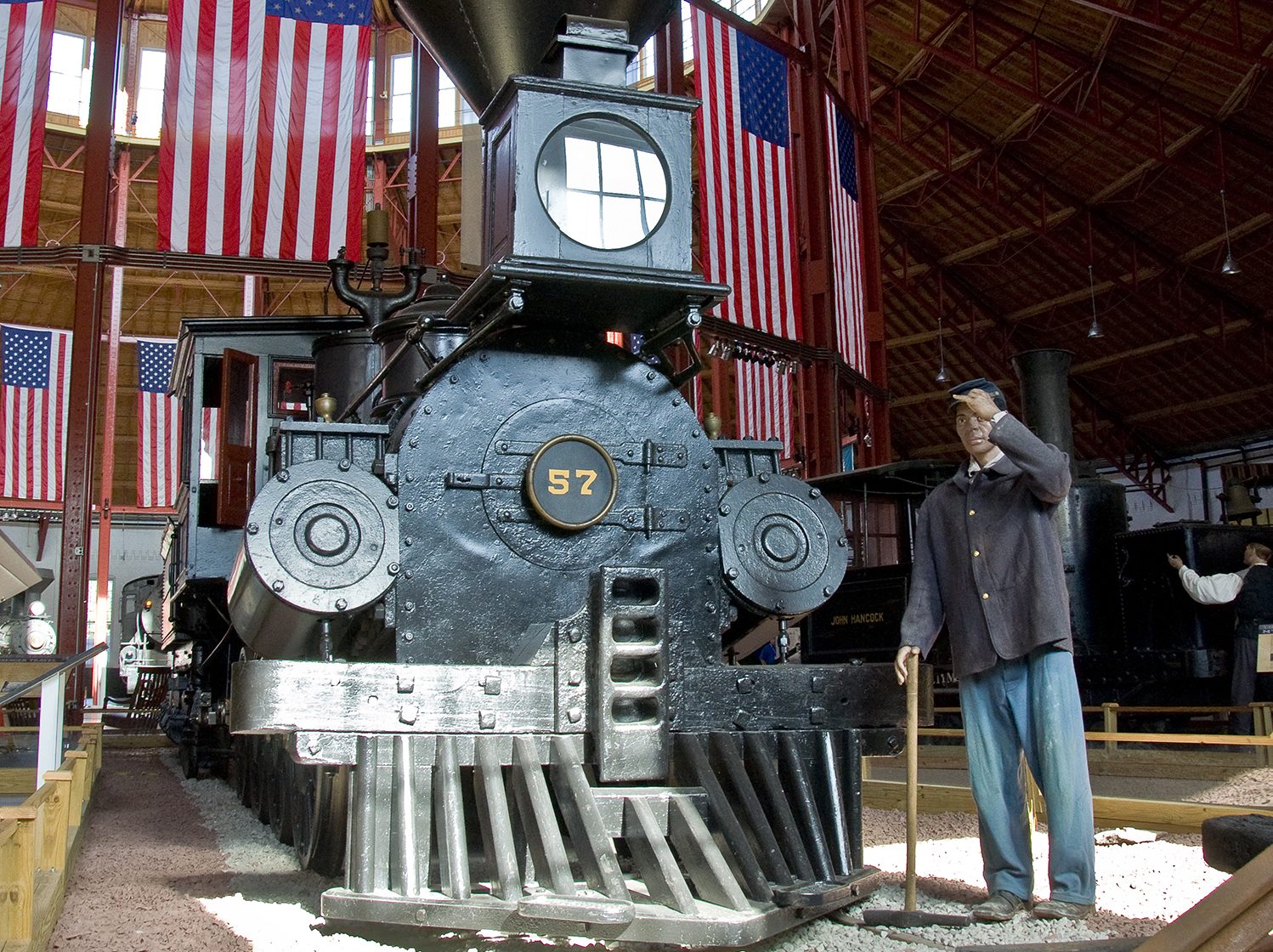
Location: Roundhouse, Bays 5-9
The Civil War was the first conflict in the world fought with trains, a new technology at the time. As the railroad spanning the Northern front, the B&O Railroad played a decisive role during the Civil War, and with it a myriad of developments in domestic passenger travel, freight shipping, and even warfare itself. See examples of period passenger cars like the B&O No. 21. The B&O No. 57 Memnon, which is designated as a National Historic Landmark, is one of the last remaining locomotives that saw combat during the Civil War. Learn more about how the B&O Railroad became of increasingly large importance to the Union during the war, and how they would fall victim to attacks and a devastating seizure of hundreds of pieces of railway equipment and track by the Confederacy.
The B&O’s tracks extended south from Baltimore to Washington, DC, and west to the Ohio River across Maryland and West Virginia, the front line of Union territory. The B&O Railroad President at the time, John Work Garrett, collaborated so closely with President Abraham Lincoln that the B&O Railroad was nicknamed Lincoln’s Railroad. Garrett and the B&O also worked closely with the U.S. Army’s United States Military Railroad (USMRR) to coordinate the Union railroad war effort. In the seven weeks following the end of the war, some 206,000 Union troops returned home on the B&O Railroad.
African Americans have a rich railroad history, starting with the time of slavery and their utilization of railroads on the Underground Railroad. In 2021, our museum was designated a National Underground Railroad Network to Freedom Site, reflecting the B&O’s rich history with the Underground Railroad.
The exhibition also introduces us to the “contraband” workers, the brave, formerly enslaved Black men who joined the Union Army through the USMRR by working the on the railroads, using their extensive knowledge of railway construction gained during their time in bondage to fight back against the Confederacy by destroying their railways and mending those in the North. These 10,000 men were the first Black people in the United States to be paid by the federal government for their work. For more information on African American railroading history from this time, click here.
Many of these men accepted this newfound employment opportunity because it ensured their protection by the Union Army. The Civil War exhibition concludes with the B&O No. 25 William Mason, built in 1856, which secretly carried President Abraham Lincoln to his inauguration in D.C. from Baltimore, MD on February 23, 1861.
For more information on the B&O’s pioneering technological advancements during the Civil War, click here.
More Exhibitions
The Underground Railroad: Freedom Seekers on the B&O Railroad
The Underground Railroad: Freedom Seekers on the B&O Railroad examines the role of the physical railroad in the Underground Railroad…
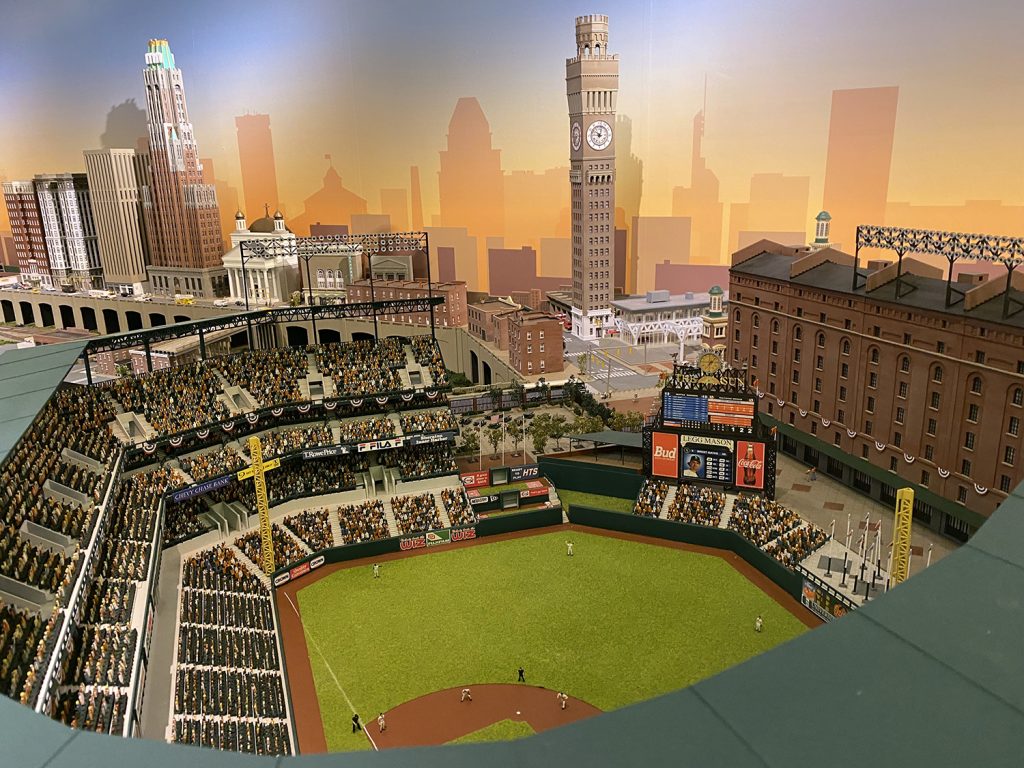
Bank of America Model Train Gallery
The Bank of America Model Train Gallery features an exquisitely detailed HO Scale model train layout of Baltimore City as…
The Roundhouse: The First Century of American Railroading
The historic B&O Roundhouse, built in 1884, features the most comprehensive collection of early American locomotives and rolling stock in…
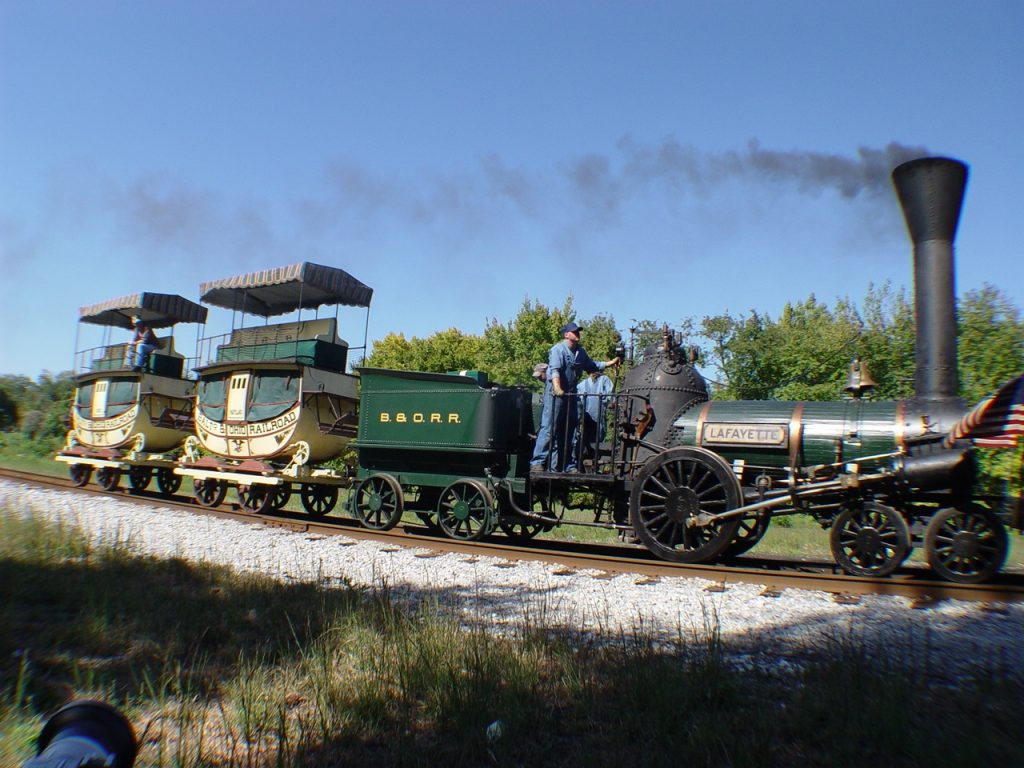
The First American Locomotives: Fair of the Iron Horse
This section of the Roundhouse explores the very first locomotives, passenger cars, and freight cars used by America’s first railroad,…
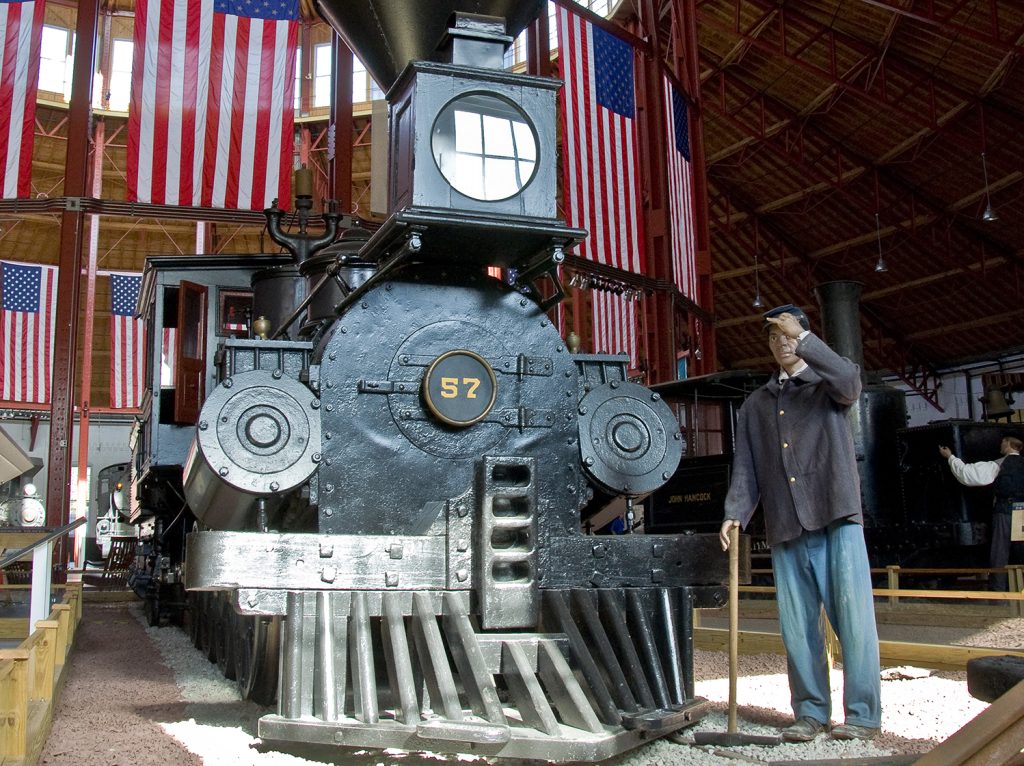
Civil War: The War Came by Train
As a relatively new technology, the Civil War was the first war in the world to use trains. This exhibition…
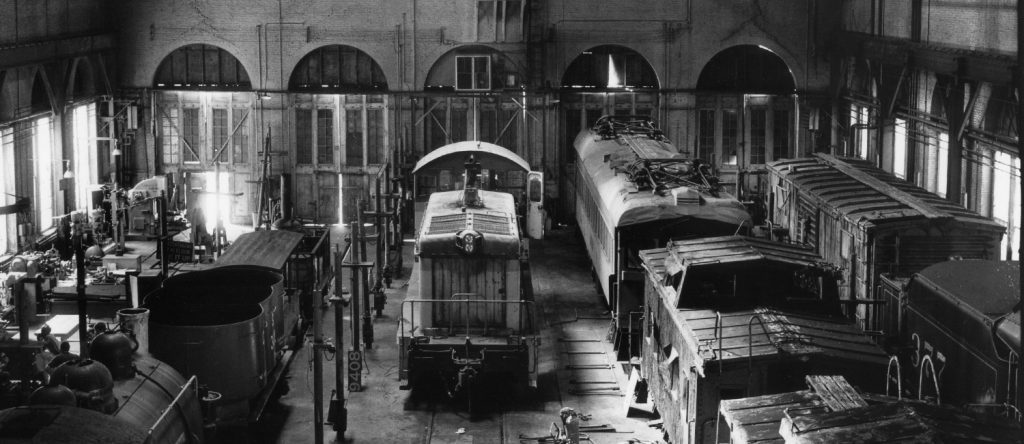
North Car Shop: 20th Century American Railroading
The North Car Shop is the oldest surviving railroad manufacturing building in the world. Inside, explore a survey of 20th…
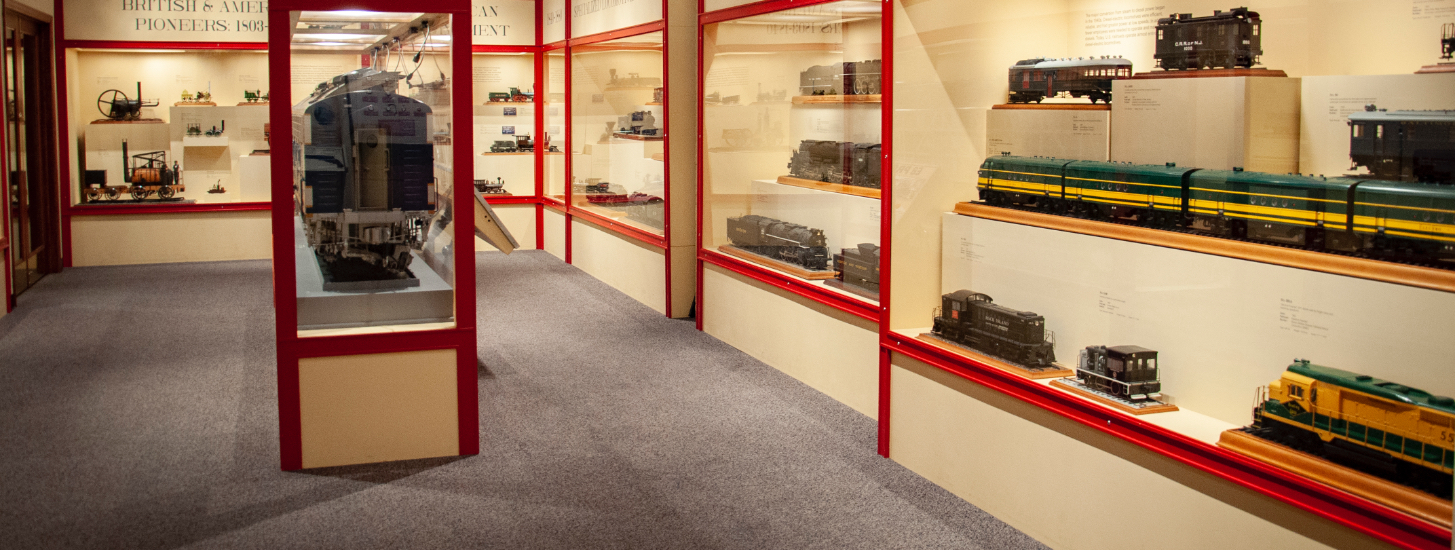
Smithsonian Model Train Collection
This hall features a variety of exquisite model trains from the Smithsonian’s collection covering almost 200 years of railroading history.
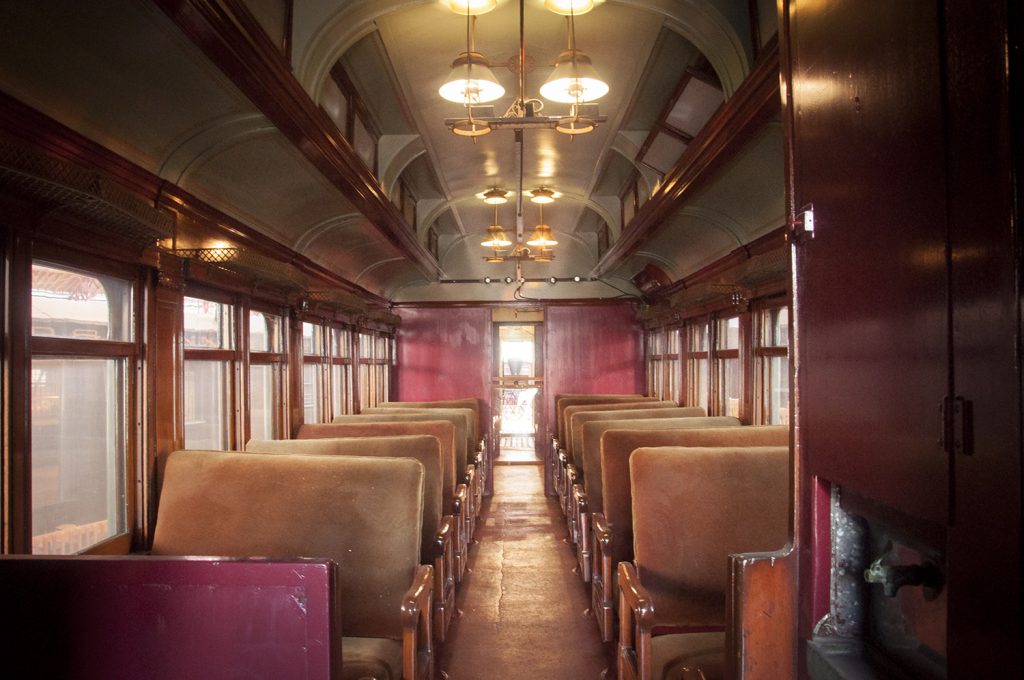
Jim Crow Segregated Car
This car is preserved its Jim Crow era segregated design. Built for the Chesapeake and Ohio Railroad, it served predominately…
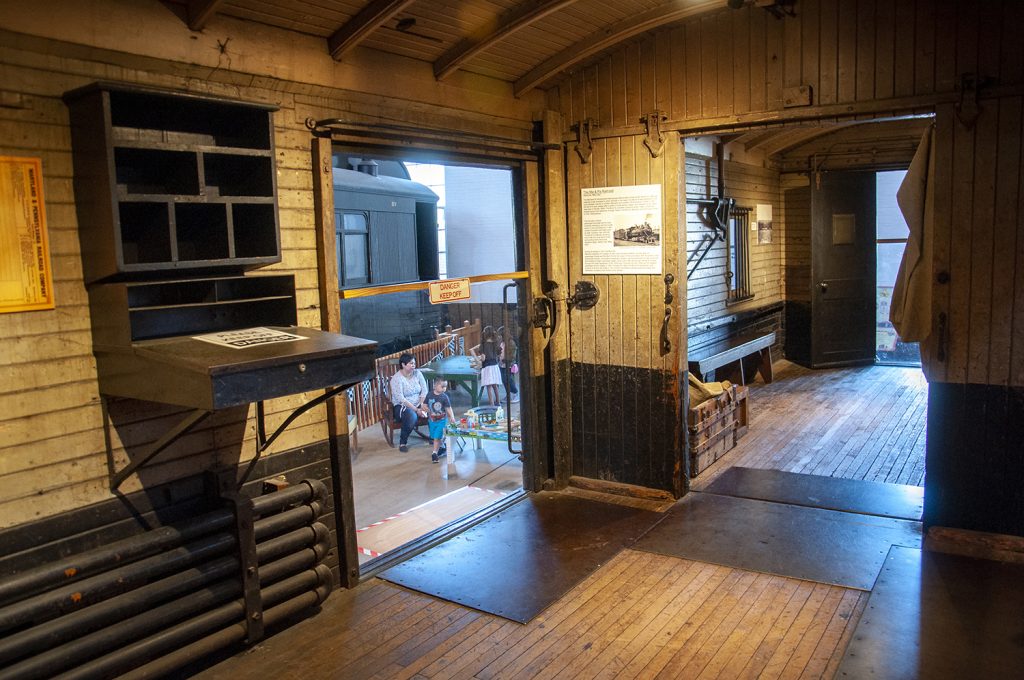
Mail Sorting Car
By the 1930s, mail was a primary cargo for the railroad industry. Visitors can explore the inside of a mail…
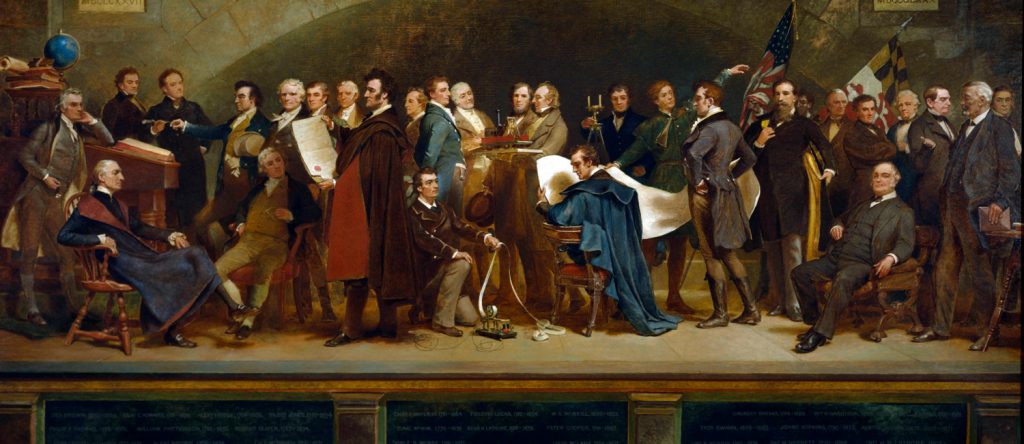
Founding the B&O Railroad
The National Museum of Railroad History & Innovation’s site is the birthplace of American Railroad. This exhibition shares the story…
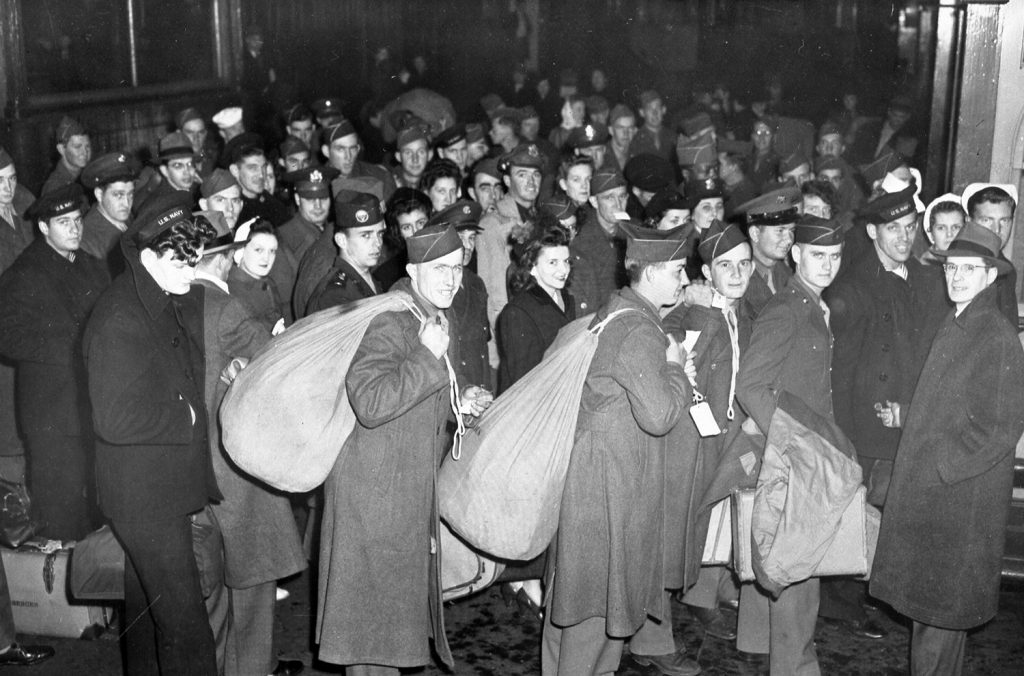
World War II Troop Car
During World War II, the railroads were responsible for moving soldiers and materials for the war effort, while at the…
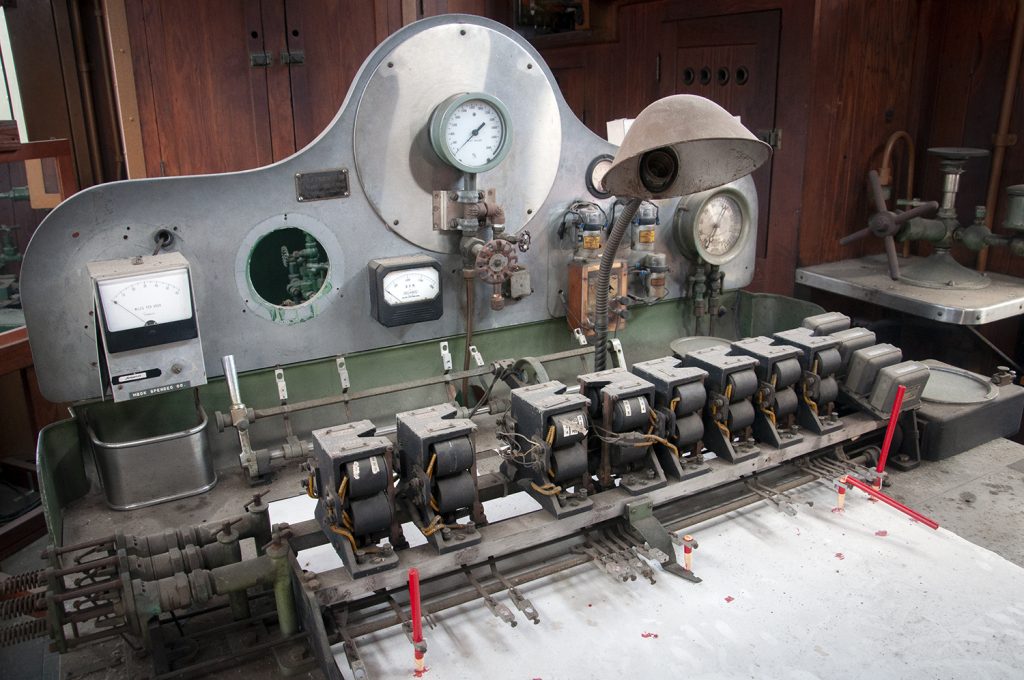
The Dynamometer Car
The dynamometer car was an important part of measuring a locomotive's performance in several categories, such as speed and tractive…
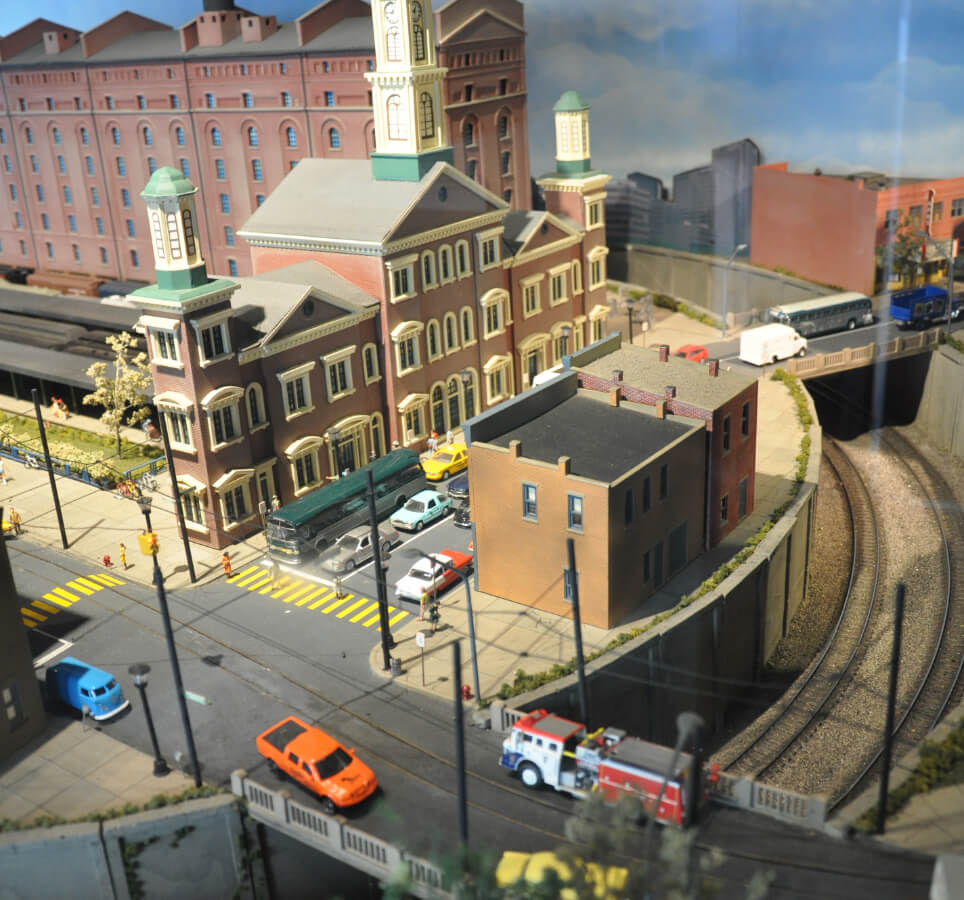
HO Scale Model Layout: Early History of the B&O
Don’t miss our train car sized HO scale model train layout. This moving exhibit depicts the early mission of the…
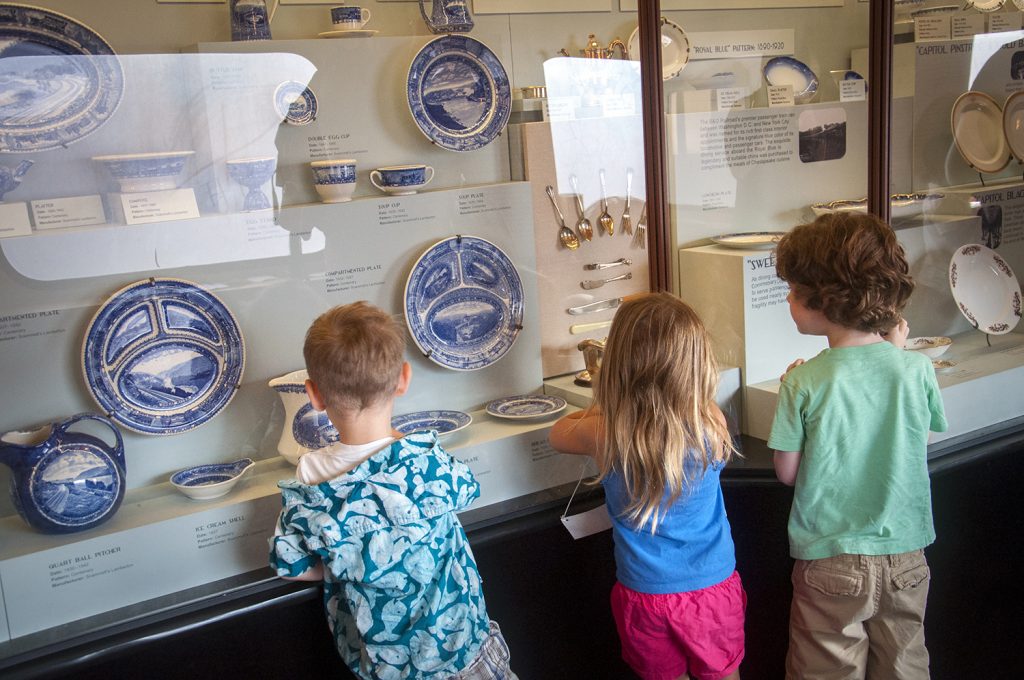
Dining on the B&O: The China Collection
The interior of this historic dining car boasts an impressive display of B&O Railroad dining china and silver, used to…
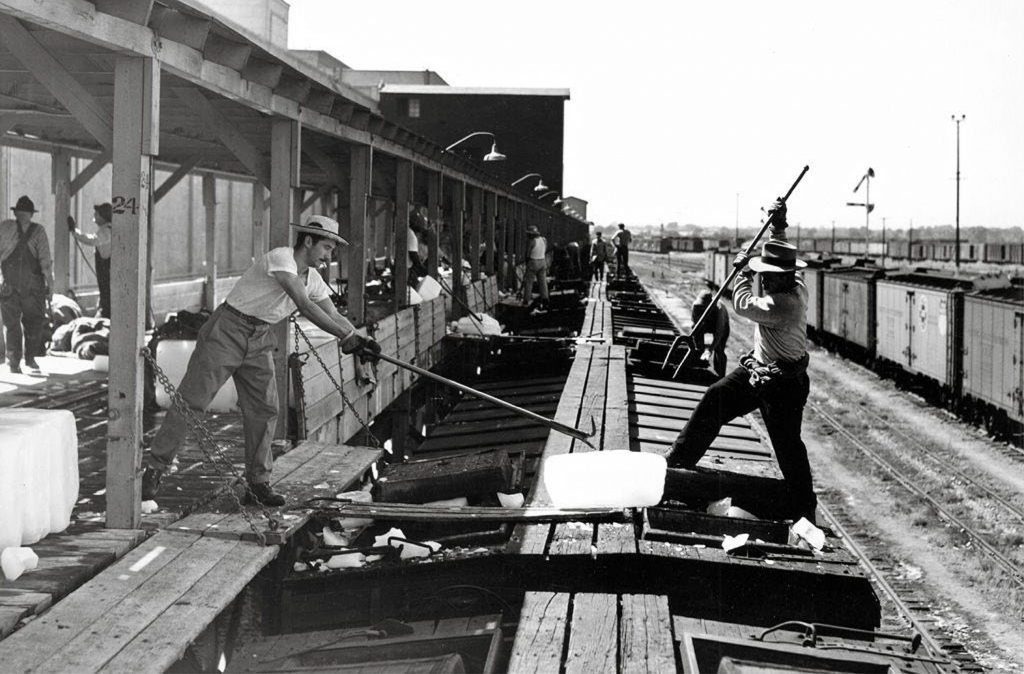
Cool Runnings on the Railroad: The American Refrigeration Car
Enter our modern refrigerated car, once used to haul frozen McDonalds fries around the country, and explore the critical role…
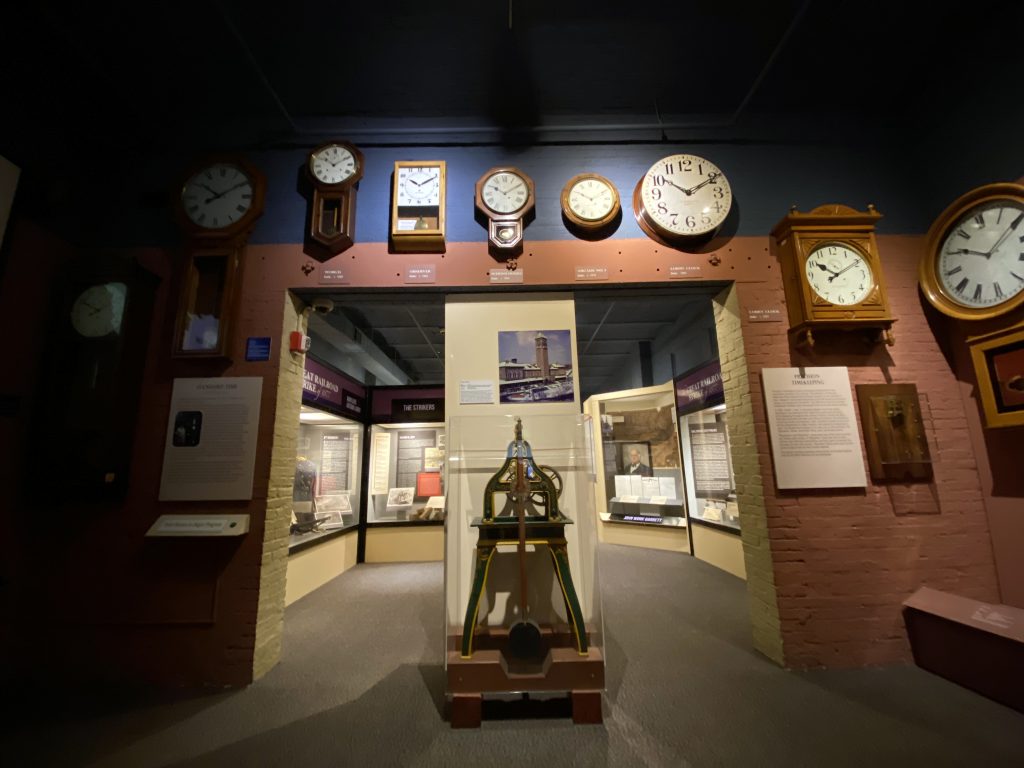
About Time: The Standardization of Time
Railroads played a critical role in the standardization of time in this country, as well as the development and need…
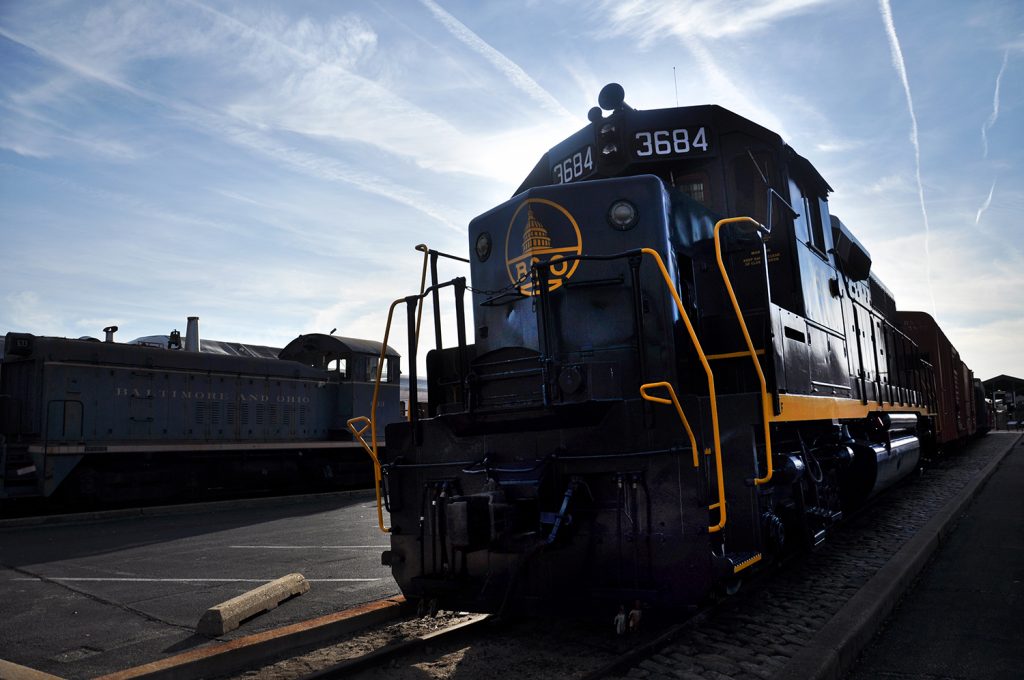
Train Garden: The National Museum of Railroad History & Innovation’s Open Storage
Can’t get enough trains? Explore our train garden – the museum’s open air storage around the parking lot featuring some…